City on Fire
City on Fire
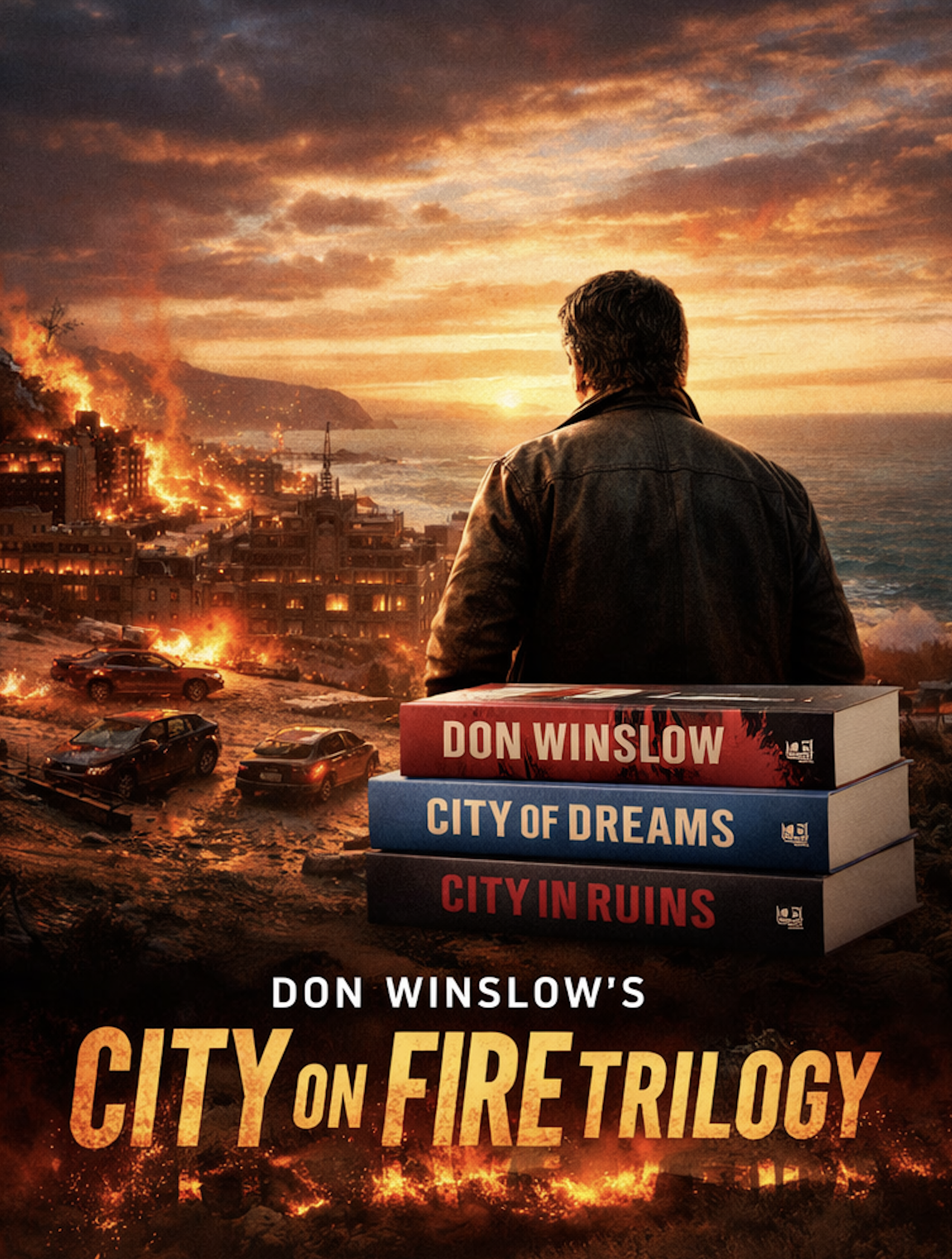
Don Winslow’s City on Fire trilogy reads like a farewell. (City on Fire, City of Dreams and City in Ruins)
Not just to the gangster novel, but to the idea that violence can still carry myth.
The setup is familiar: two families, loyalty, territory, inheritance. But Winslow strips away everything that usually makes these stories feel operatic or justified. What remains is cost — passed forward, never resolved.
Danny Ryan is not an antihero in the classic sense. He’s a man trying to make the least destructive choice available, fully aware that every option is already compromised. Each step forward creates a debt that someone else will pay.
What gives the trilogy its weight isn’t plot, but rhythm. Winslow writes in short, insistent passages. Repetition without decoration. The prose moves the way memory does after trauma — circling, compressing, refusing resolution.
Beneath it all is a quiet grief: the understanding that violence no longer creates legends. Only absence. The world keeps going, but something essential thins out.
This isn’t crime romanticism.
It’s a reckoning.
A record of how everything you believe you’re protecting is ultimately undone by the act of protection itself.
When the final page closes, there’s no victory.
Only silence.
And the sense that something is decisively finished.